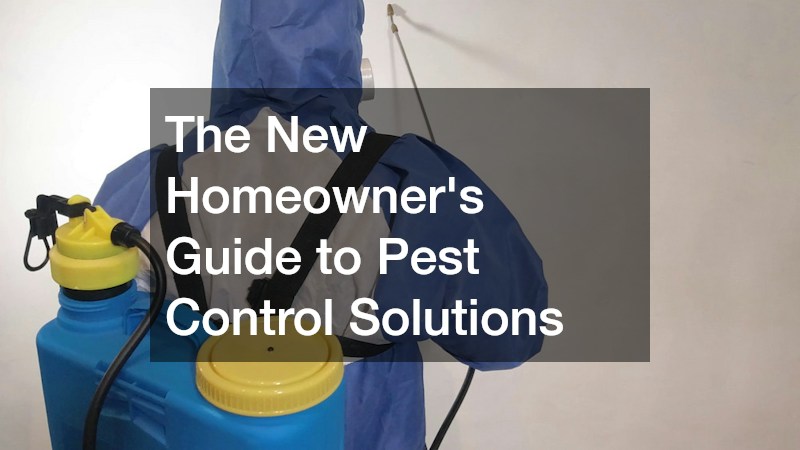
Welcome to the ultimate guide for new homeowners on effectively managing pest problems. This guide will cover essential pest control solutions, tips for hiring professionals, and preventative measures to protect your home. Understanding pest control service is key to maintaining a healthy living environment, ensuring your new abode remains a safe and inviting sanctuary.
What is a Pest Control Service?
Definition and Overview
A pest control service refers to the practice of managing and eliminating undesired insects and vermin from residential and commercial properties. These services are crucial in preventing health hazards, property damage, and potential pest infestations. Pest control professionals use a variety of methods, including chemical and non-chemical treatments, to maintain a pest-free environment.
Such services are invaluable in maintaining sanitary conditions and are tailored to address specific pest issues within a property. Understanding that different pests require distinct treatment approaches reinforces the need for professional pest control service. In essence, their role is not only eradication but also the prevention of future infestations, ensuring a healthier living space.
Choosing the Right Service
Selecting a pest control service involves evaluating various factors such as experience, reputation, and service guarantees. A reputable service will offer detailed inspections, provide transparent pricing, and tailor solutions to your specific pest issues. Always look for companies with positive customer reviews and those certified by recognized pest control associations.
It’s important to obtain quotes from multiple services to compare their offerings and ensure value for your money. Consider the company’s approach to pest management, favoring those that use environmentally friendly and pet-safe treatment options. This not only reflects their responsibility towards public health but also limits your family’s exposure to potentially hazardous substances.
How Does Rodent Control Work?
Identification of Rodent Problems
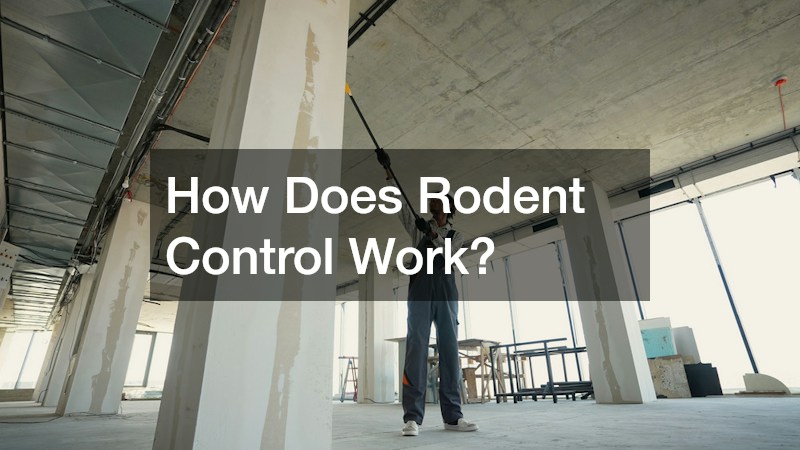
Rodent control begins with the identification of signs indicating the presence of these pests. These signs include droppings, gnaw marks, and sounds of scurrying within walls or ceilings. Identifying these indicators early is crucial in preventing the rodents from establishing a larger presence within your home.
Once identified, assessing the extent of the infestation aids in determining the appropriate control measures. Inspecting common rodent entry points such as gaps in walls, roofing spaces, and unsealed doors or windows can help in understanding the scope of the issue. Engaging a pest control service for a professional assessment can provide a comprehensive view of the problem.
Methods for Rodent Extermination
Effective rodent control methods include trapping, baiting, and sealing entry points to prevent future access. Traps can be set in areas of high activity, while baits are used to target populations more extensively. Rodent control strategies are often most effective when integrated, combining several methods tailored to the specific infestation.
Professional pest control services offer specialized techniques and tools for managing severe infestations, which may not be available to the general public. These professionals ensure that all methods used adhere to safety standards, minimizing risks to humans and pets. By involving an experienced exterminator, homeowners can achieve a safe and effective resolution to their rodent problems.
Why Hire a Local Pest Exterminator?
Benefits of Using Local Services
Hiring a local pest exterminator has distinct advantages, including their familiarity with regional pests and weather conditions that affect infestations. Local experts are more likely to understand the specific challenges within the community, allowing them to provide tailored solutions. Moreover, choosing local services often supports the local economy and can result in quicker response times for urgent pest problems.
Local pest control providers often build their reputations on community feedback, so they have a vested interest in delivering excellent service. They tend to offer personalized consultations and treatments, which can be more effective than generic, broader approaches. Additionally, a local exterminator may be more accessible for follow-up visits, ensuring continued pest management success.
Finding a Reputable Local Exterminator
Locating a trusted local pest exterminator involves seeking recommendations from neighbors, reading online reviews, and verifying licenses and insurance status. Consider the companies that specialize in the specific type of pest you’re dealing with, ensuring they have the necessary expertise. Researching several options and comparing services can help you choose the most reliable provider for your needs.
Visiting company websites to check for certifications, such as those from the National Pest Management Association, can also ensure credibility. It is important to inquire about their experience with local pest issues and their approach to prevention and control. Conducting thorough research will help guarantee you select an exterminator capable of providing effective and safe pest management solutions.
What Should You Expect From an Exterminator?
Initial Assessment
The initial assessment by an exterminator typically involves a comprehensive inspection of your property to identify pest types and infestation sources. This evaluation helps in designing a customized treatment plan that addresses specific pest control needs. By understanding the unique layout and conditions of your home, the exterminator can provide targeted solutions for effective management.
During the assessment, the exterminator will look for entry points, signs of pest activity, and contributing environmental factors. They might also discuss with you any specific concerns or observations you have noticed within your home. The information gathered during this phase is key in developing a strategic pest control plan that tackles current issues and prevents future ones.
Treatment Process
Once the assessment is complete, the treatment process begins by applying targeted methods to eliminate the identified pests. This may involve the use of chemical treatments, traps, or exclusion techniques, depending on the severity and type of pest problem. The exterminator will use tools and products designed for safety and effectiveness, minimizing disruption to your daily life.
Follow-up treatments may be necessary to ensure complete eradication for certain pests, such as those with complex life cycles like termites. Professional pest control services often schedule these visits to monitor the infestation status and adjust methods if needed. Regular communication with your exterminator during this period is vital to achieving long-term pest control success.
How is Termite Control Different From Other Pest Control?
Understanding Termite Behavior
Termite control requires specialized knowledge due to the unique behavior and colony structures of these pests. Unlike other pests, termites consume wood, often causing significant structural damage before detection. This behavior makes it crucial for exterminators to have a deep understanding of termite biology and habits to effectively manage infestations.
Termites live in hidden colonies, which can complicate detection and treatment. It is often necessary to use advanced technologies such as infrared cameras or moisture meters to locate these hidden pests. Understanding their behavior is critical to prevent recurrence, as untreated infestations can severely compromise structural integrity over time.
Effective Termite Treatment Options
Termite treatment options include barrier treatments, baiting systems, and direct wood treatments. Each method targets termites differently and is chosen based on infestation severity and site characteristics. Professional termite control often integrates these methods to ensure comprehensive management and prevention of future infestations.
Physical barriers involve applying chemical treatments around a home’s foundation to prevent termites from entering. Baiting systems, on the other hand, attract termites to traps where they consume toxic bait and carry it back to the colony. This multi-pronged approach ensures all members of a termite colony are targeted, thereby providing a more lasting solution.
When Should You Contact a Local Bee Exterminator?
Identifying Dangerous Situations
Contacting local bee exterminators is necessary when bees establish colonies in close proximity to humans, posing potential danger. Signs of a bee problem include visible hives near doorways or windows, or aggressive bee behavior that increases the risk of stings. Early intervention by a professional can prevent these risks from escalating and ensure safe relocation or removal.
Bee infestations can pose serious health threats, especially to individuals allergic to bee stings. Additionally, they can damage property if nests are left to grow unchecked within walls or attics. Noticing these problems early and contacting a professional ensures safety and protection for both humans and property.
Are DIY Rodent Control Methods Effective?
Pros and Cons of DIY Methods
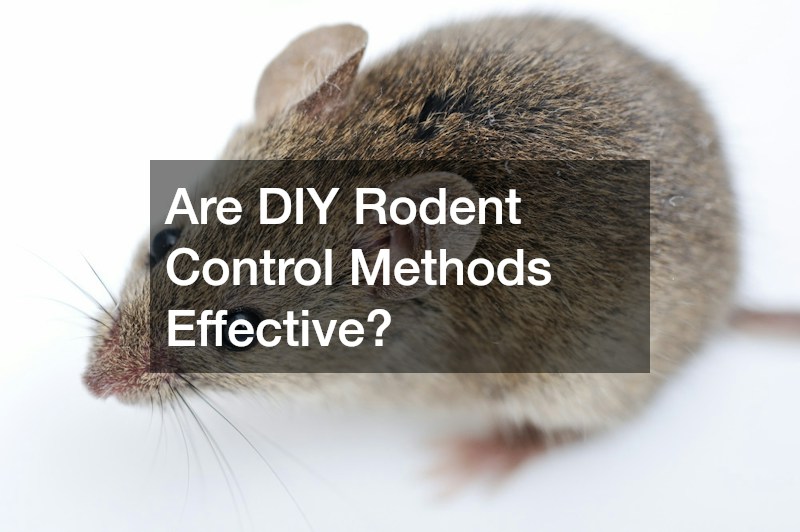
DIY rodent control methods offer cost benefits and convenience for minor infestations, but they carry risks that may not address root causes. Homeowners can manage small rodent issues using traps, repellents, or natural deterrents. However, these methods may lack the efficacy of professional solutions, particularly for severe or recurrent infestations.
DIY efforts can sometimes lead to incomplete removal, allowing rodents to return or increase in numbers. The risks associated with incorrect bait usage or trap placement may endanger pets and children. Hence, it’s crucial to evaluate the extent of the problem and consider consulting a professional exterminator for persistent issues.
How Does Professional Animal Removal Work?
The Role of Trained Animal Control Experts
Professional animal removal involves the safe and humane capture and relocation of unwanted wildlife from residential areas. Trained experts use specialized equipment and knowledge to handle animals with minimal stress and risk. Their goal is to restore balance and prevent future intrusions without causing unnecessary harm.
These experts assess the situation, identify entry points, and provide recommendations to prevent recurrence. Oftentimes, they will also offer remediation services to fix structural damage caused by animal intrusions. By engaging professionals, homeowners benefit from safe and legal removal practices that comply with local wildlife regulations.
Why is Basement Waterproofing Important for Pest Control?
Link Between Moisture and Infestations
Moisture is a common attractant for many pests, making basement waterproofing a crucial measure in pest prevention. Damp environments provide ideal breeding grounds for pests such as termites, cockroaches, and rodents. Addressing moisture issues thus directly reduces the appeal of basements as habitats for these pest species.
Waterproofing involves taking measures to eliminate excess moisture, making homes less hospitable to pests. A dry basement helps deter infestations, as pest survival and reproduction are significantly hindered in arid conditions. Therefore, basement waterproofing plays a vital role not only in structural preservation but also in comprehensive pest control strategies.
What Role Does a Damage Restoration Company Play After Pest Issues?
Repairing Structural Damage
After major pest infestations, a damage restoration company plays a critical role in repairing structural damage caused by pests. This can include fixing compromised foundations, walls, and other structural elements weakened by insect activity or rodent burrowing. These companies use specialized equipment and expertise to restore properties to their pre-damaged state.
Restoration and Prevention Strategies
Implementing prevention strategies during the restoration process is essential to avoid future pest issues. Incorporating pest-resistant materials or modifying building elements can deter re-infestation. These measures may include using specific sealants or barrier materials known to repel or resist common pests.
How Often Should Pest Control Services Be Scheduled?
Frequency Recommendations
Regular scheduling of pest control services is crucial for maintaining effective pest management in the home. Common recommendations suggest quarterly services, which allow for the prompt identification of issues and preventive treatments. However, the frequency might vary based on specific pest threats and the homeowner’s unique situation.

What Questions Should You Ask Before Hiring an Exterminator?
Essential Inquiry Topics
When hiring an exterminator, it is essential to ask questions that ensure they meet your pest management needs. Inquire about their methods, safety protocols, licensing, and experience with specific pests. Understanding their approach to preventative measures and satisfaction guarantees will also inform your decision-making.
Additional questions about the equipment used and insurance coverage provide insights into their professionalism and preparedness. It’s equally important to discuss their follow-up procedures, which signal their commitment to achieving thorough pest eradication. By understanding these aspects, you can confidently choose an exterminator suited to manage your home’s pest problems effectively.
What Preventative Measures Can Homeowners Take Against Pests?
Everyday Prevention Tips
Implementing simple everyday measures can significantly reduce the risk of pest invasions. Regularly cleaning and decluttering spaces deny pests shelter and breeding sites. Proper food storage, including sealing containers and disposing of waste promptly, minimizes attractants.
Long-term Pest Prevention Strategies
Long-term pest prevention involves adopting comprehensive measures that safeguard against recurrent invasions. These include installing barriers, such as screens and sealants, and regular professional inspections to catch issues early. Rotating and trimming vegetation away from the home prevents easy access for pests.
Conclusion
Proper pest control is essential for maintaining a safe and comfortable home. By utilizing the guidance in this article, new homeowners can effectively address and prevent pest issues, ensuring their home remains a sanctuary. Remember, working with professional services, like pest control or a damage restoration company, ensures efficacy and peace of mind.
Consulting with professionals and adopting long-term strategies ensures that homeowners are always one step ahead of pesky intruders. With the right approaches, pest control leads to a harmonious living space devoid of unwanted guests.